
Drainage Engineering & Flood Risk Management
At mode transport planning, we help developers manage water with confidence. From flood risk assessments to fully engineered drainage networks, our team delivers practical, compliant, and sustainable solutions that keep projects moving. We combine technical excellence with commercial awareness, ensuring designs that not only gain approvals but also protect developments for the long term.
Specialist Drainage Engineering Solutions
Every site has its own water challenges. That’s why we provide bespoke advice at every stage — from early feasibility notes and flood risk assessments to detailed S38, S104, and S185 drainage designs. Guided by our values of integrity, growth, passion, initiative, and fun, we deliver strategies that reduce risk, maximise developable land, and support safe, sustainable growth.

Flood Risk & Drainage Feasibility Notes
Flood Risk & Drainage Feasibility Notes
Early review of site conditions to identify flood risk zones, drainage constraints, and opportunities. This informs site layout, planning strategy, and reduces the risk of costly redesign later in the process.
Site Screening & Policy Review
Assessment of the site against national and local planning policy, including Strategic Flood Risk Assessments (SFRA), to determine the level of technical work required and highlight potential constraints at the earliest stage.
Pre-Application Engagement with Authorities
Early liaison with Lead Local Flood Authorities (LLFAs), the Environment Agency, and other stakeholders to agree key considerations, scope of assessments, and drainage principles before submitting a planning application.

Level 1,2 & 3 Flood Risk Assessment & Flood Consequence Assessments
Detailed assessment of flood likelihood and potential impacts, providing clear, evidence-based recommendations to inform design, satisfy planning requirements, and safeguard developments against flood risk.

Sequential & Exception Test
Preparation of policy-compliant assessments to demonstrate that development is directed to the lowest flood risk areas, with robust justification and mitigation strategies where higher-risk sites are unavoidable.

Sustainable Drainage Strategies (SuDS)
Design of effective, sustainable drainage systems to manage surface water, enhance water quality, minimise flood risk, and integrate positively with site layout and landscape design.

Water Related CEMP Chapters
Preparation of water-related CEMP content, setting out pollution prevention, runoff control, and compliance measures to manage water impacts during construction.

Utilities Assessment
Review of existing and proposed utility networks to ensure compatibility with drainage and flood risk strategies, minimising conflicts and enabling efficient site integration.

Hydraulic Modelling
Specialist modelling of watercourses and surface water drainage to predict flood behaviour, inform robust mitigation design, and support Environment Agency and LLFA approvals.

Flood Evacuation & Emergency Plan
Development of practical, site-specific evacuation and emergency procedures to protect people, property, and infrastructure in the event of flooding.

Construction Surface Water Management Plans
Detailed strategies for managing surface water throughout the construction phase, minimising flood risk and environmental impacts while ensuring regulatory compliance.

Discharge of Conditions
Preparation and submission of technical evidence, designs, and reports to discharge flood risk and drainage-related planning conditions, ensuring timely progression of your development.
Detailed Drainage Design Inc S38, S104. S185
Production of fully engineered foul and surface water drainage designs, with supporting adoption agreements, ensuring schemes are safe, efficient, and fully compliant with technical standards.
Preparation of detailed management strategies for the construction and operational phases, including monitoring and maintenance procedures to ensure effective long-term
Drainage Engineering and Flood Risk
Management Success Stories
Our results speak for themselves. Explore our case studies to see how mode transport planning has supported developers, land promoters, and local authorities with innovative drainage and flood risk strategies. From sustainable drainage systems (SuDS) to water management plans, we help projects progress smoothly and securely.

Retail, Commercial (London) intu Bromley

Healthcare (East England) Hemel Hempstead Crematorium
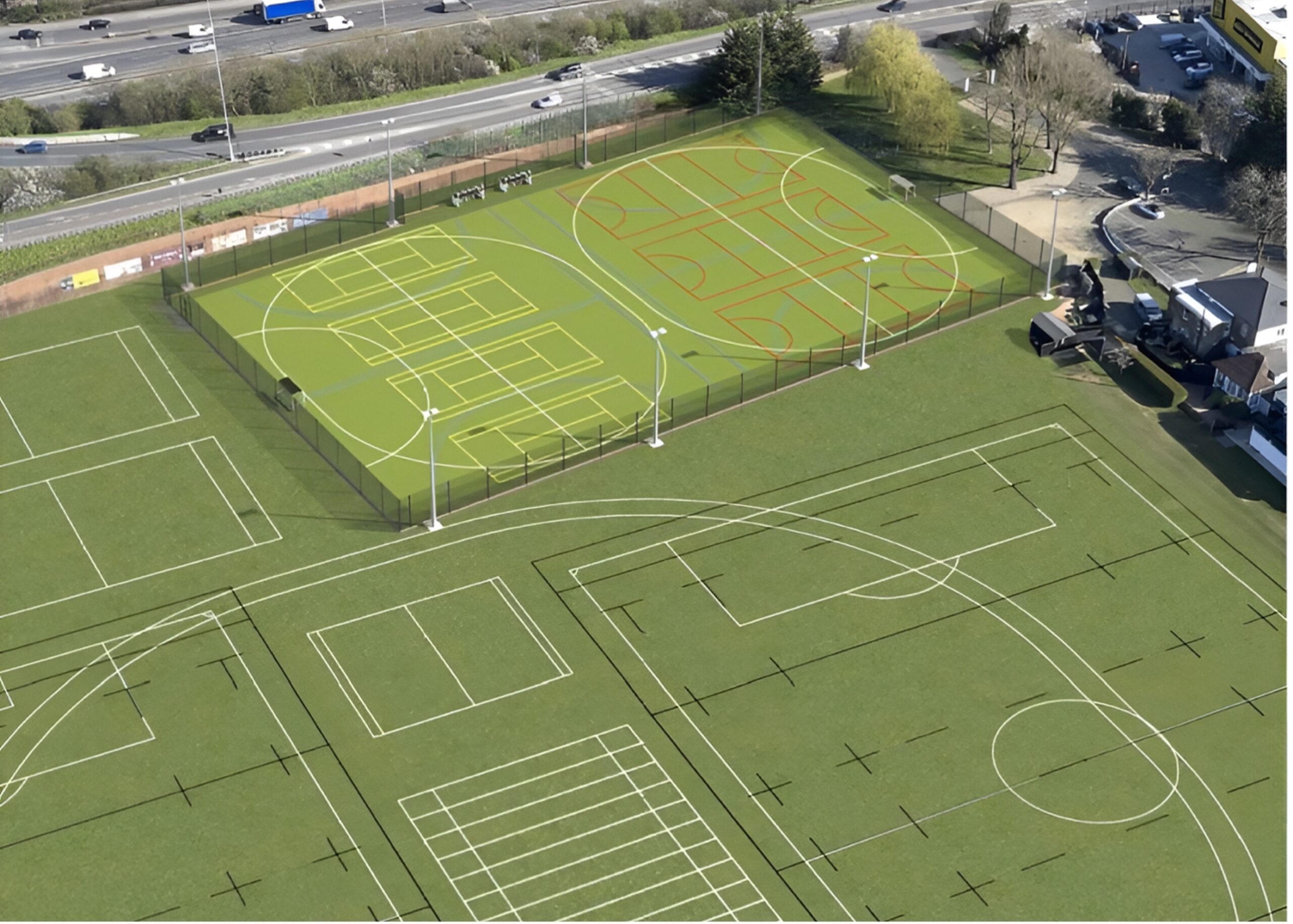
Leisure (London) Blagdons Sports Ground
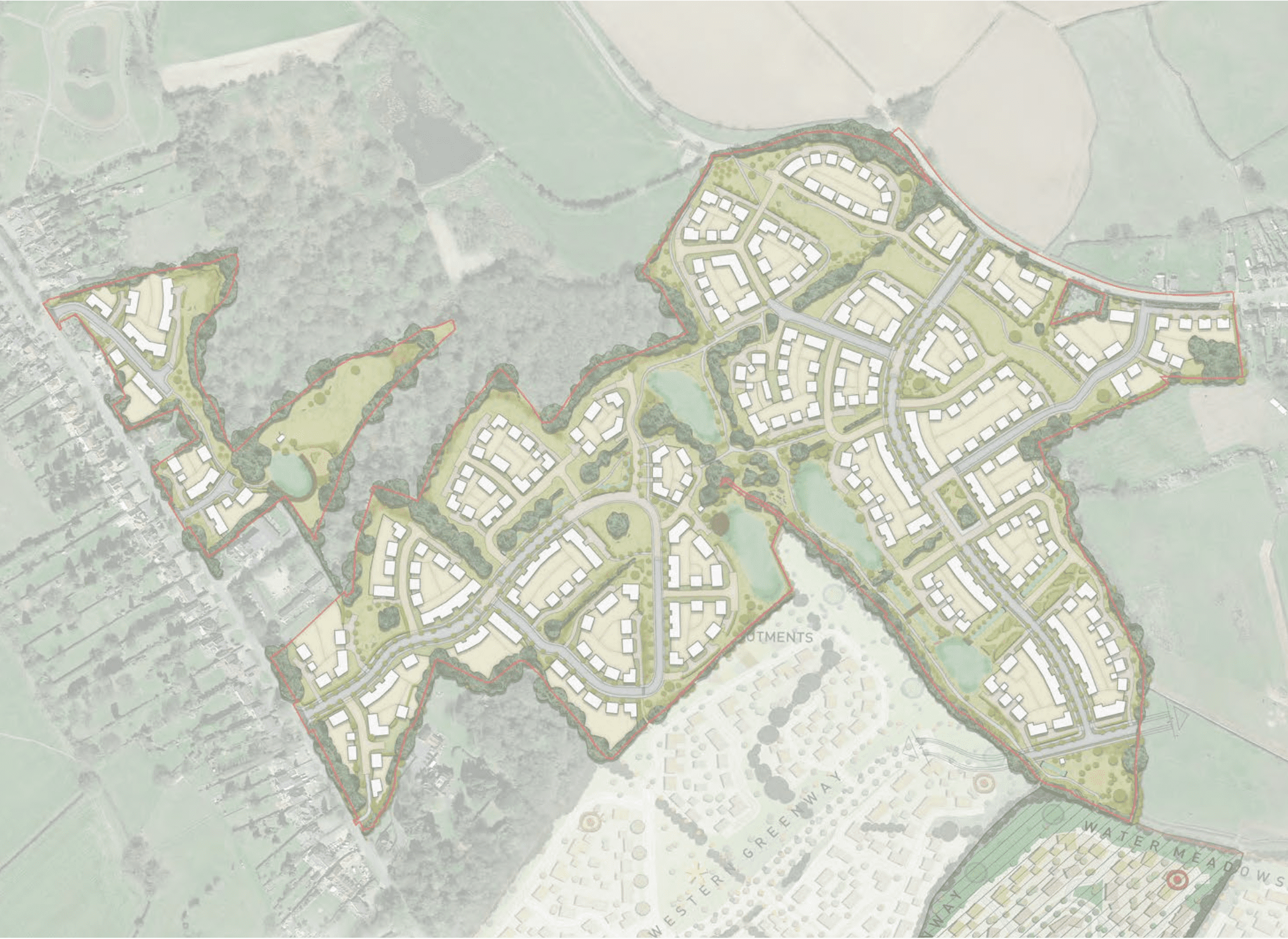
Residential (West Midlands) Land at Keresley, Coventry
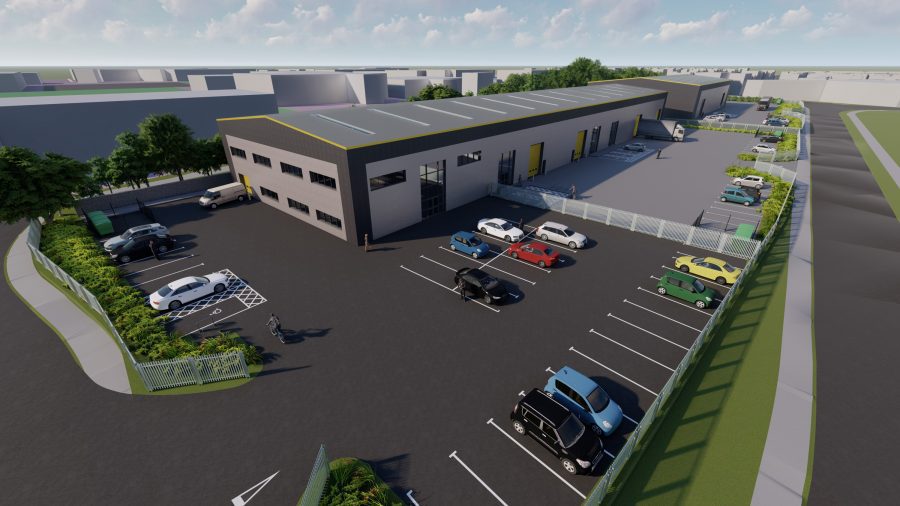
Logistics (North West) Magazine Point, Bromborough

Retail (North West) Former Toys R Us Land Disposal

Commercial (West Midlands) HS2 Hybrid Bill

Residential (South West) Pickersleigh Grove

Residential (London) Upper Cufaude Farm

Residential (London) Evelyn House

Residential (Yorkshire) Burley Studios
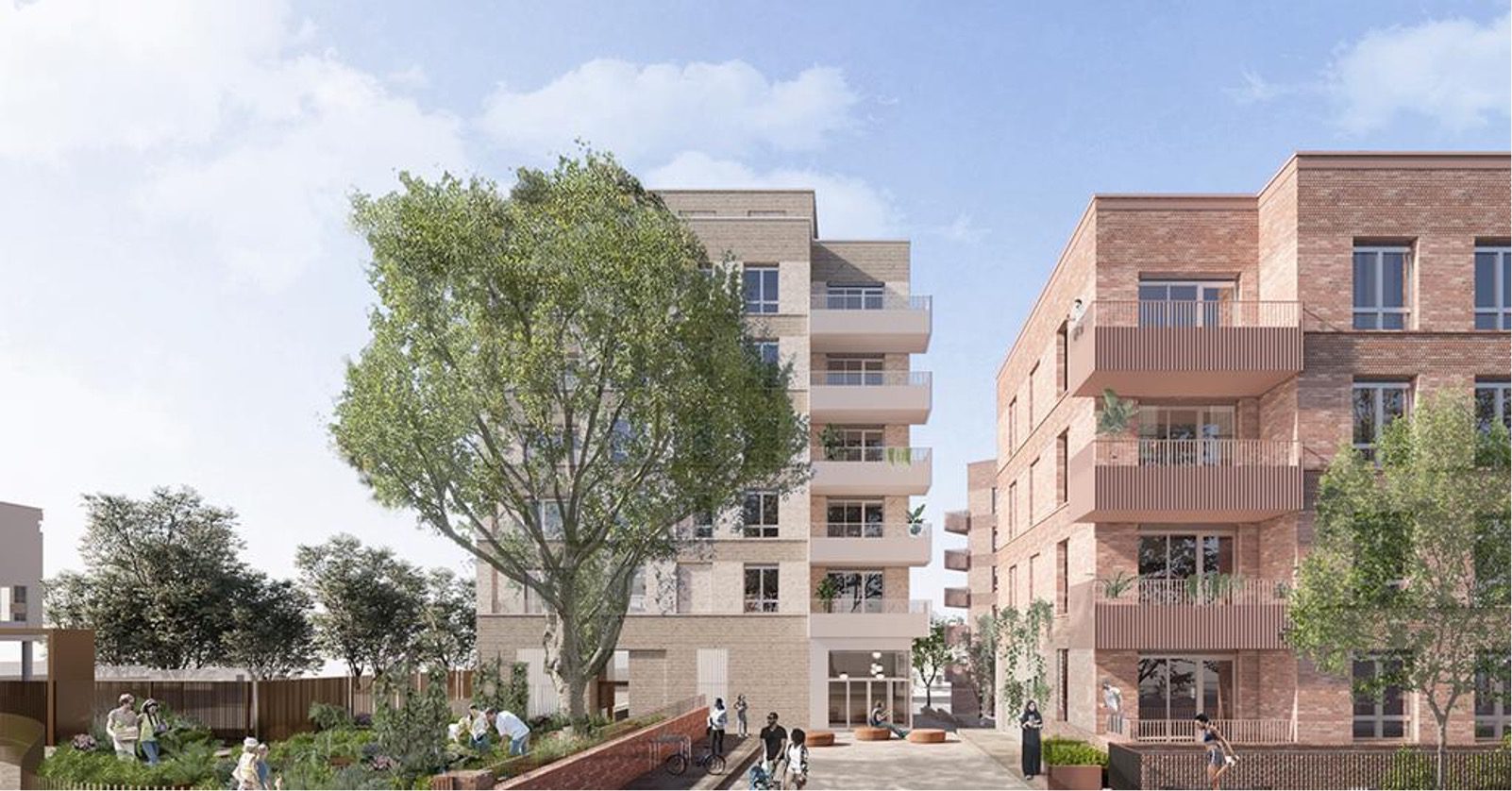
Residential (London) Barlby Road
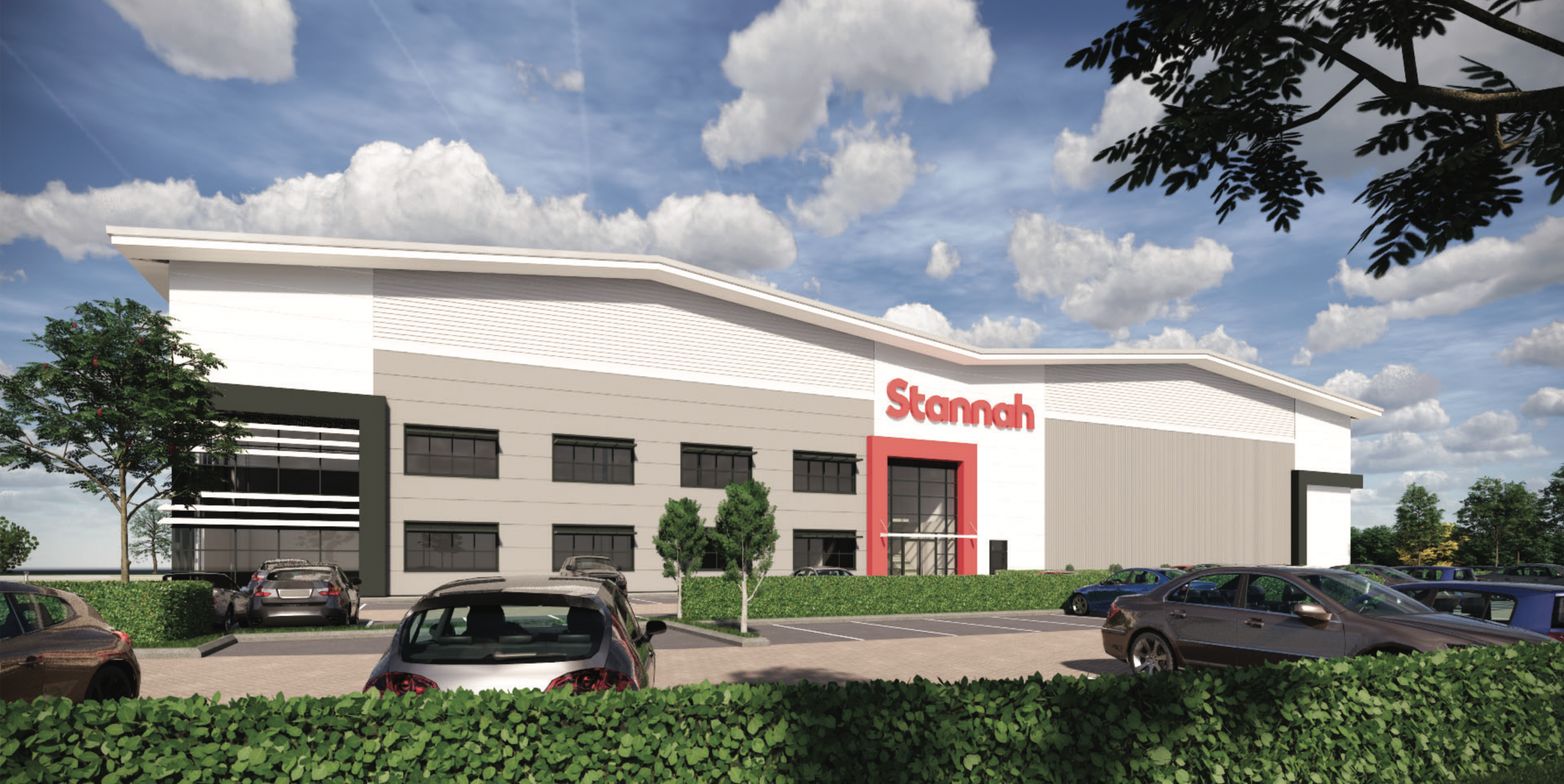
Logistics (South East) Stannah, Andover Business Park
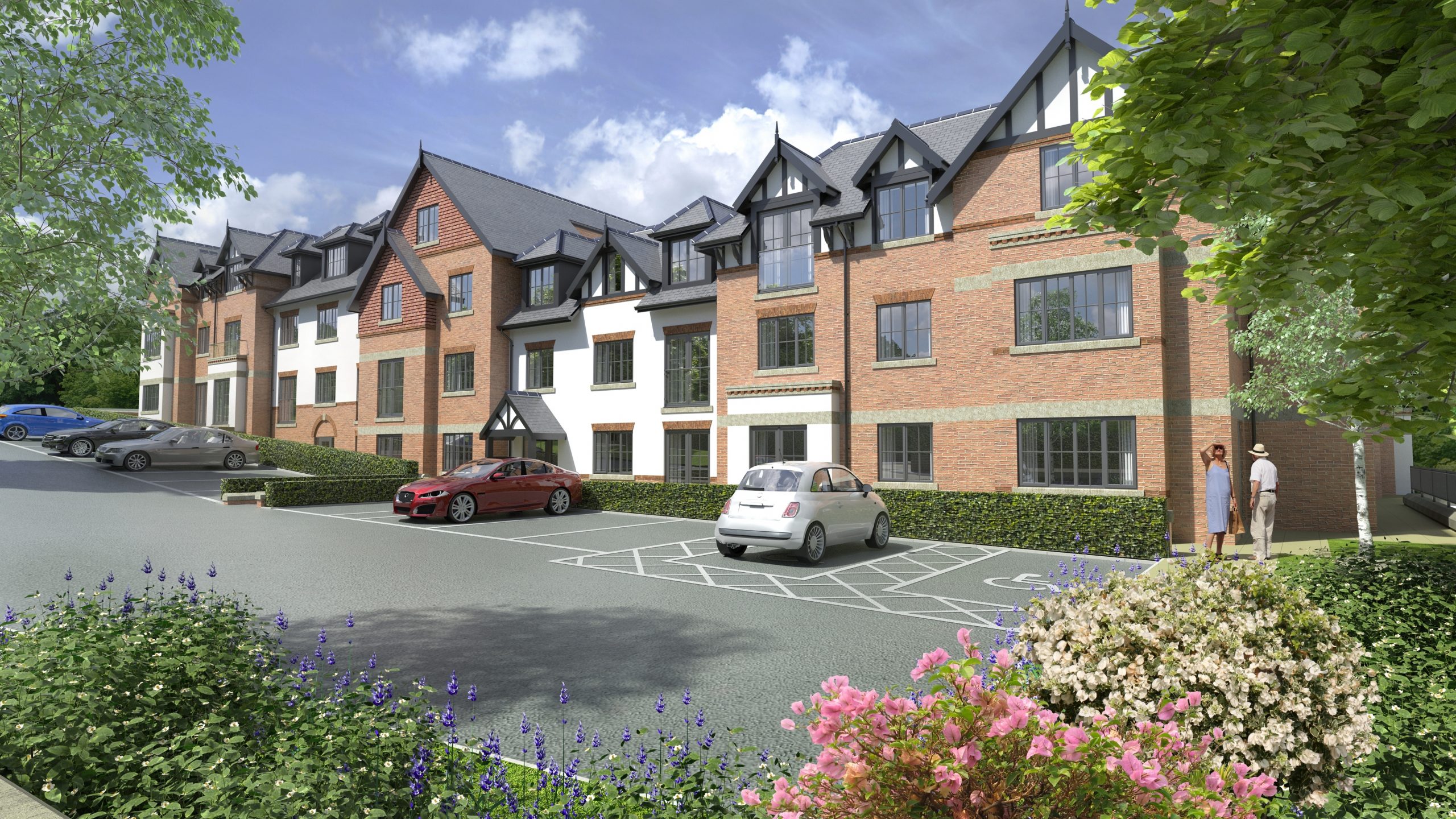
Residential (North West) Lymm Hotel

Logistics (West Midlands) Holymoor Point, Rubery

Leisure, Residential (South East) Heyford Park Vision Masterplan

Residential (London) 57-61 Union Street
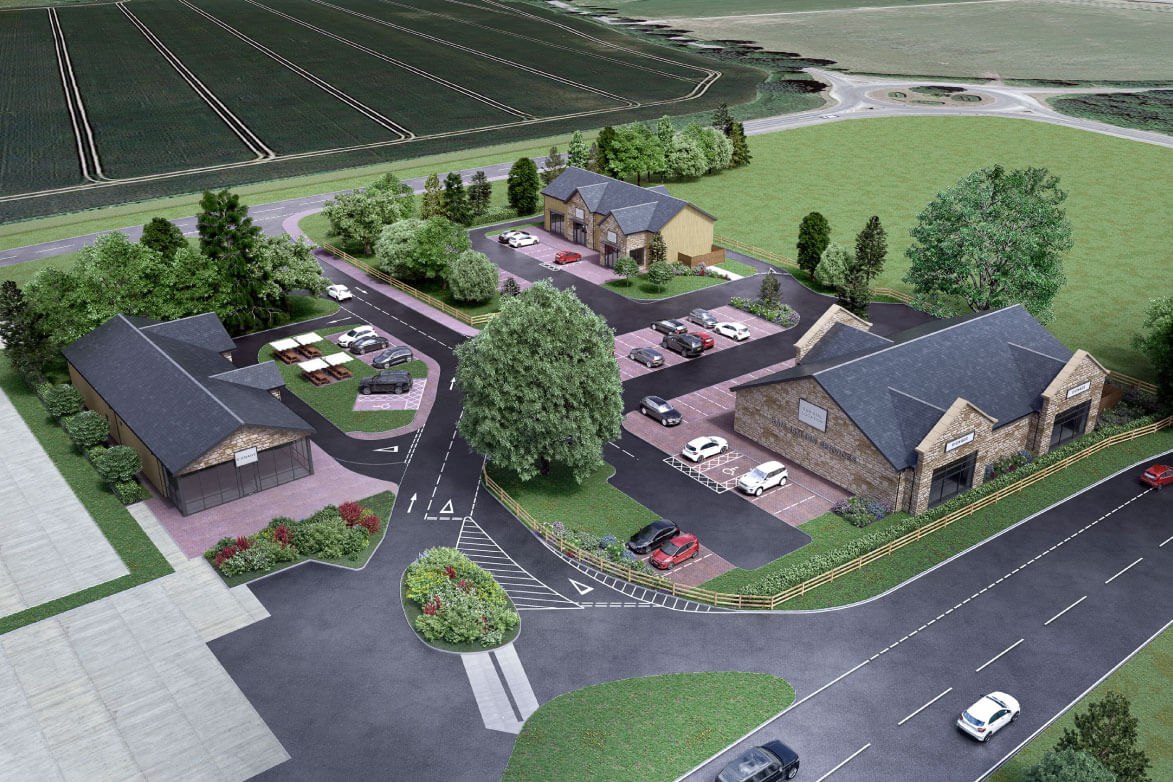
Logistics (East Midlands) Ram Jam Inn, Rutland
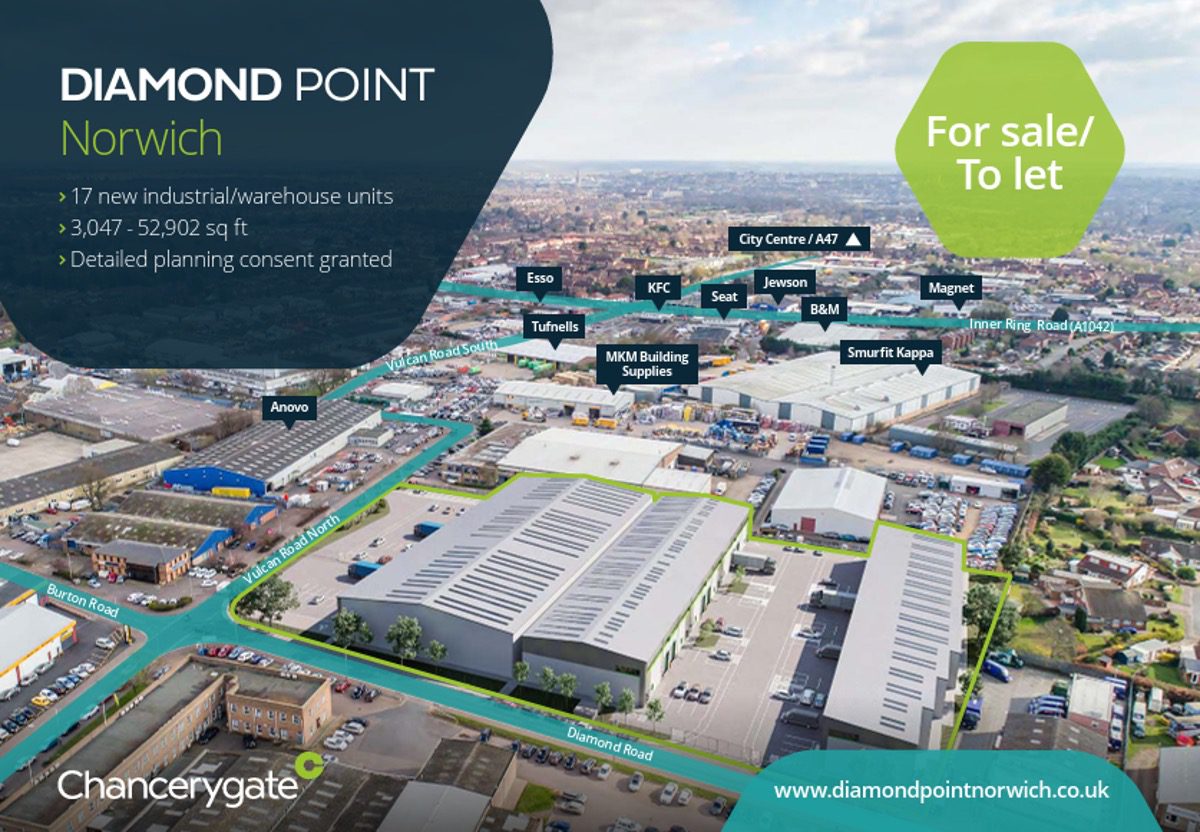
Logistics (East England) Diamond Point
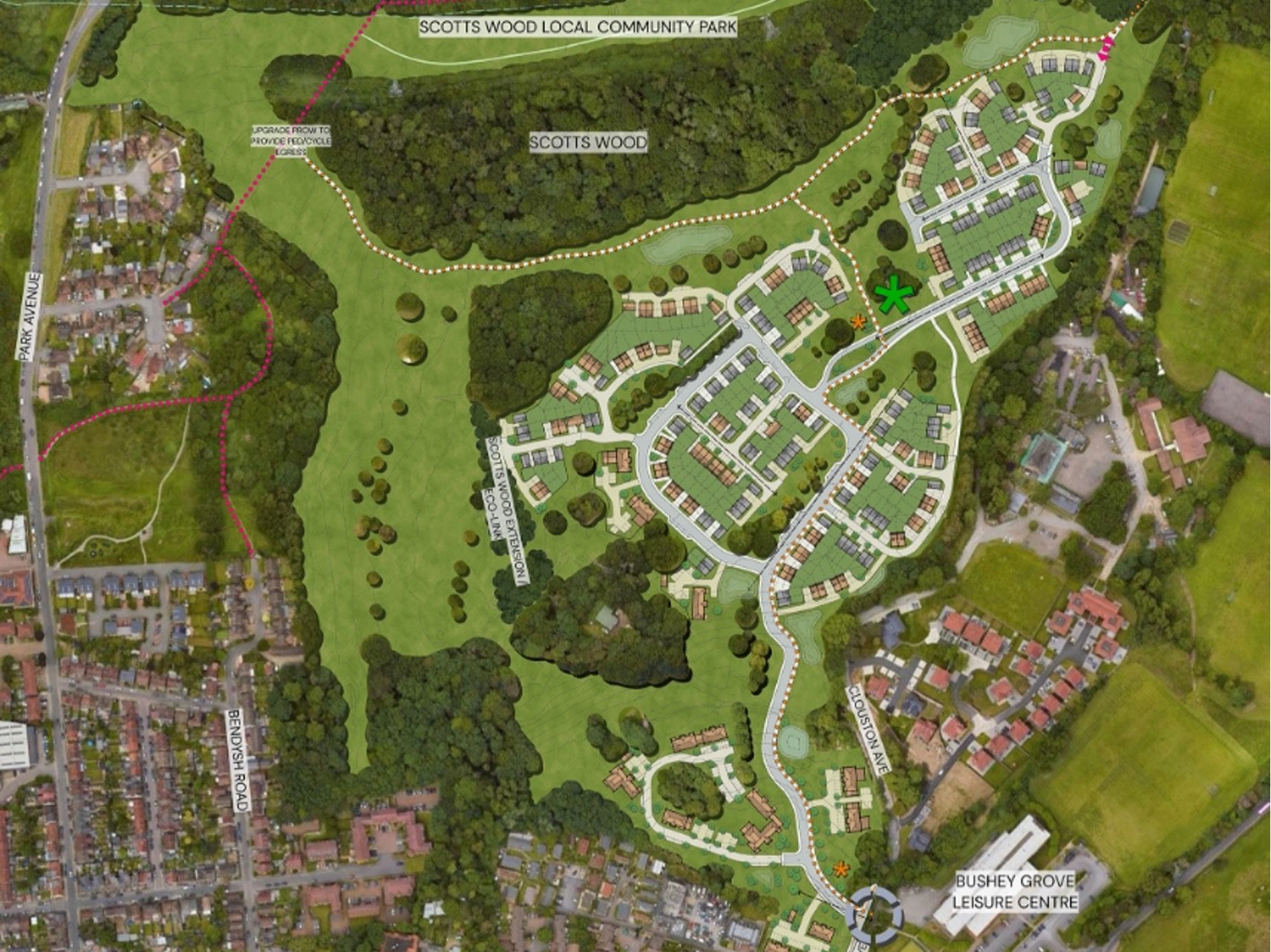
Residential (London) Bushey Hall Golf Club
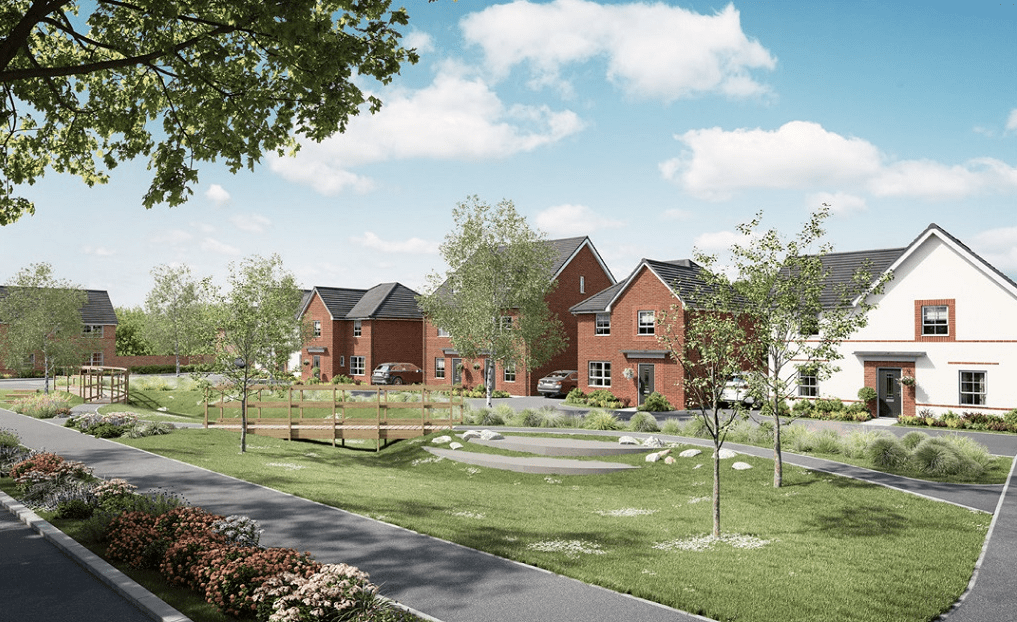
Residential (North West) Cherryfield Drive
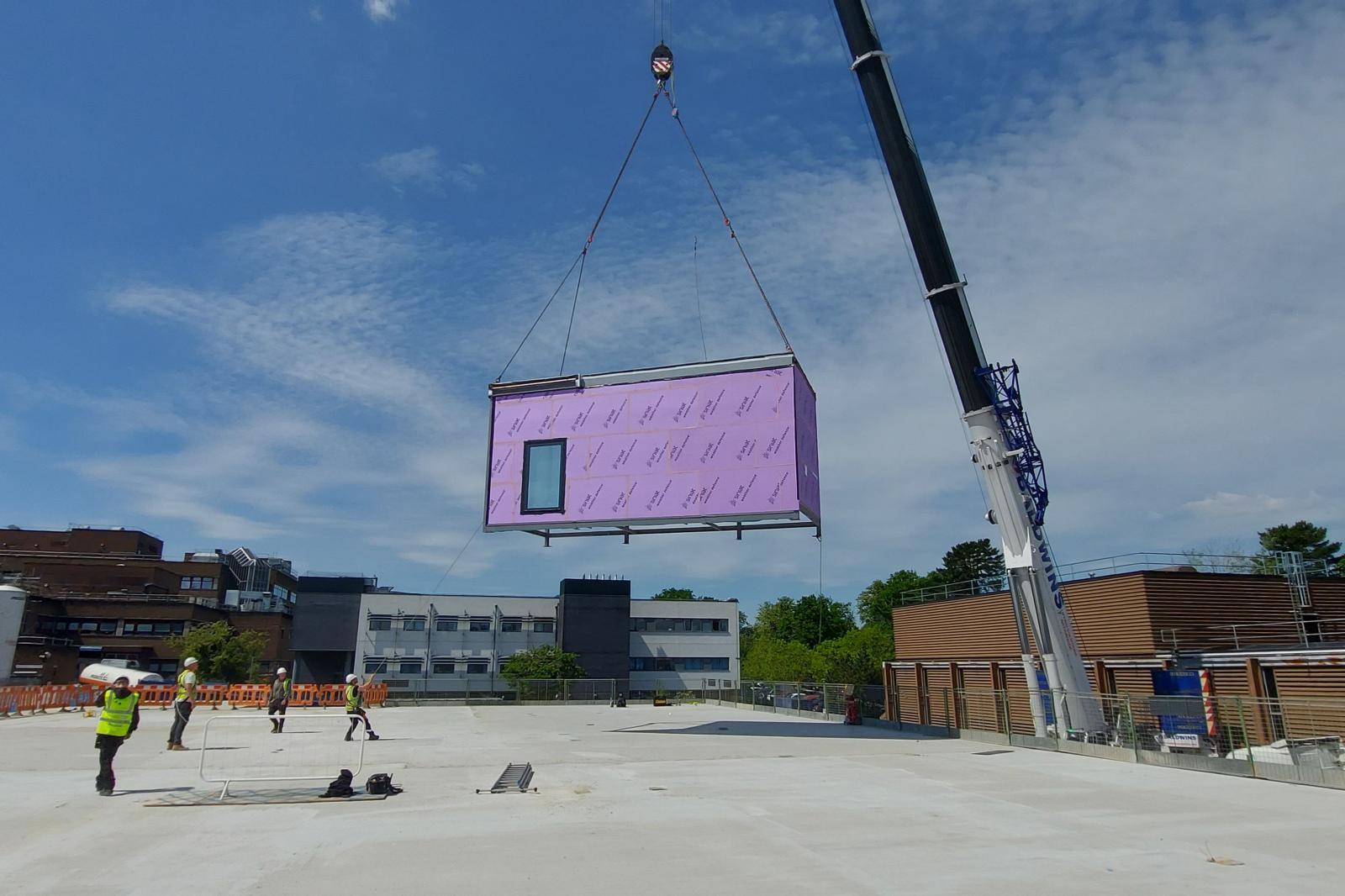
Healthcare (South East) Cancer and Surgical Innovation Centre (CASIC)

Commercial (London) Yum! Transport Consultancy Services

Logistics (London) Zenith 105, Wembley
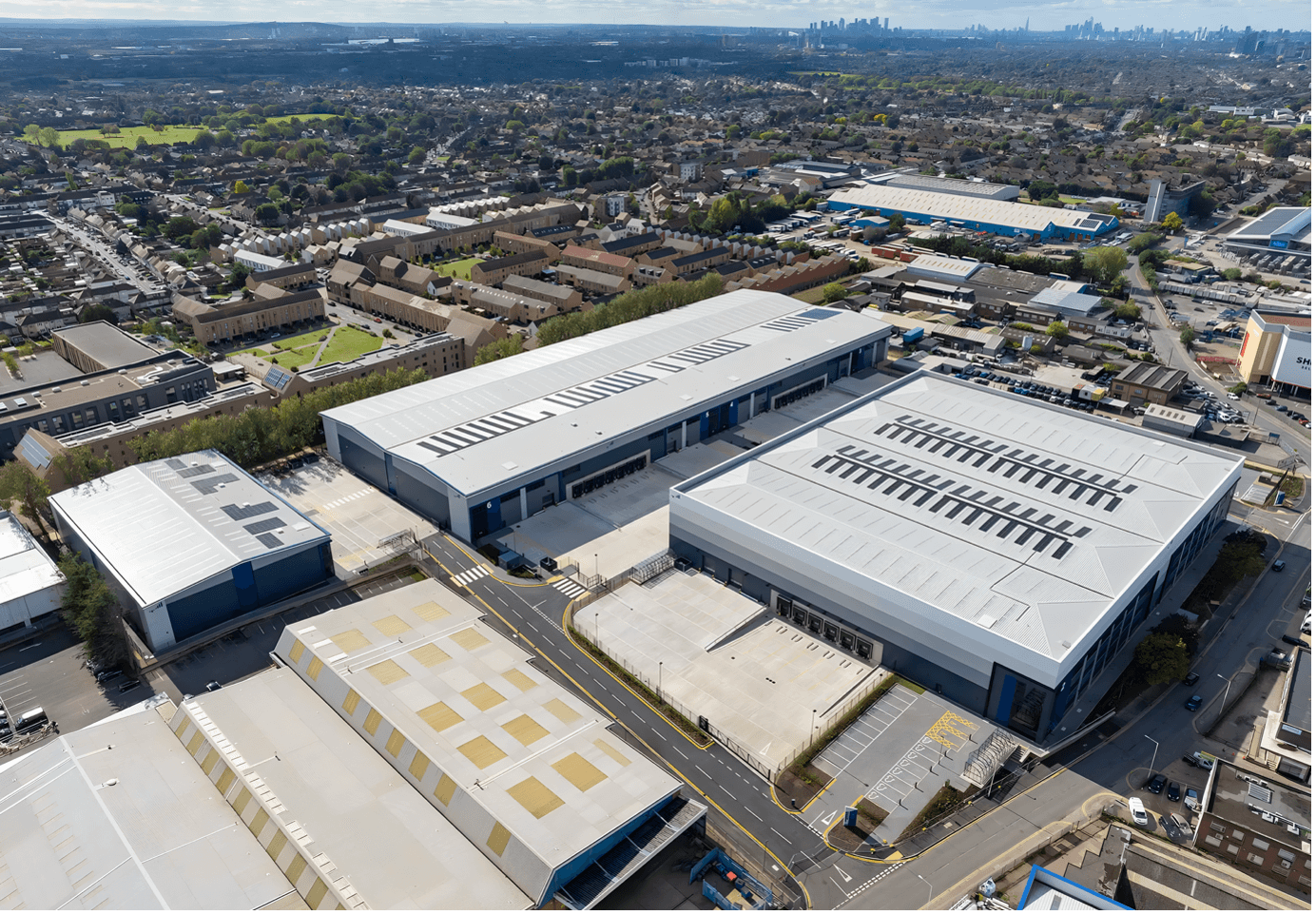
Logistics (London) Bridge Point Enterprise East

Residential (London) Ferndale Gardens

Residential (West Midlands) Long Marston Garden Village
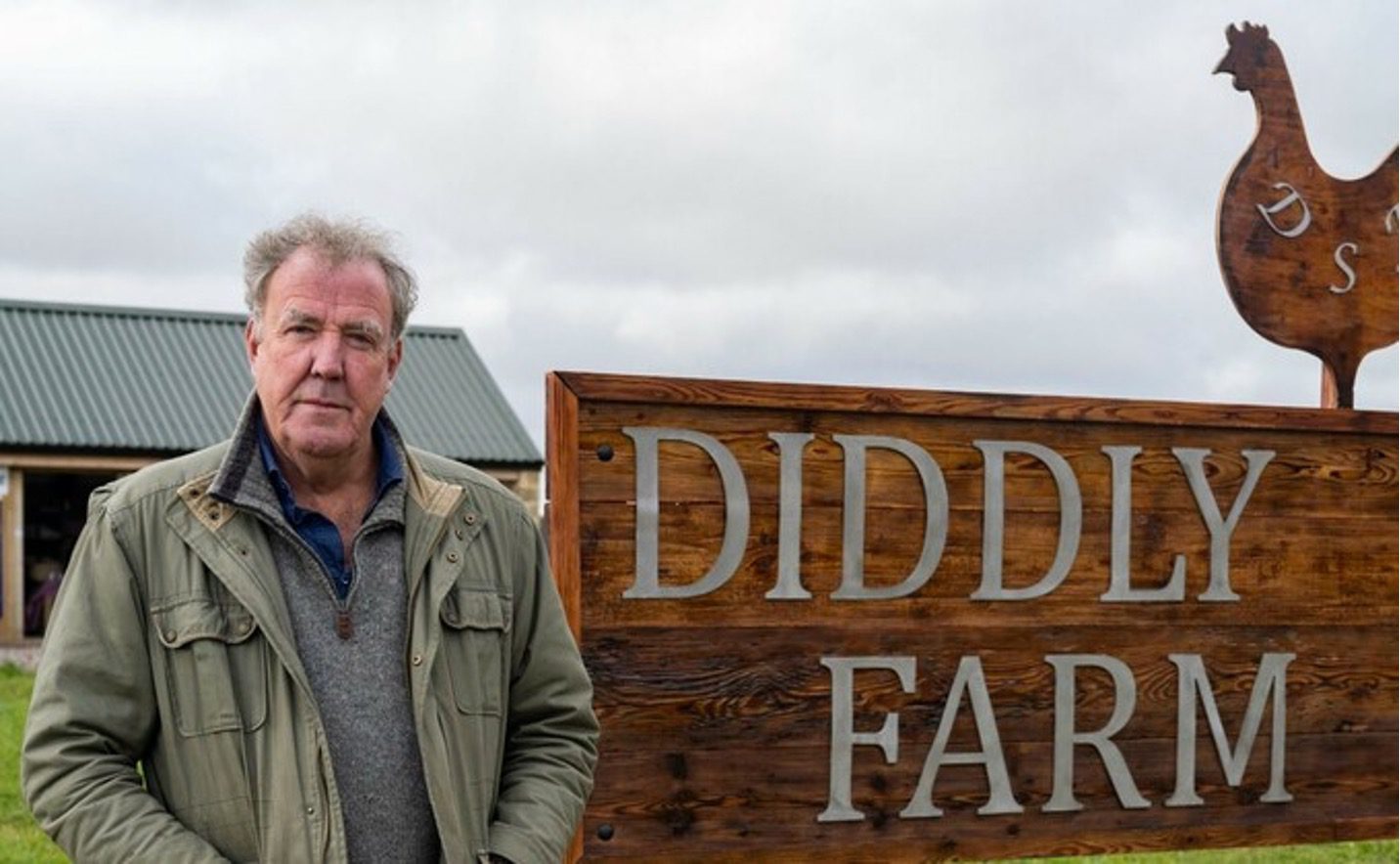
Retail (South East) Diddly Squat Farm Shop
Residential (West Midlands) Doseley Works

Residential (London) Beaufort Park
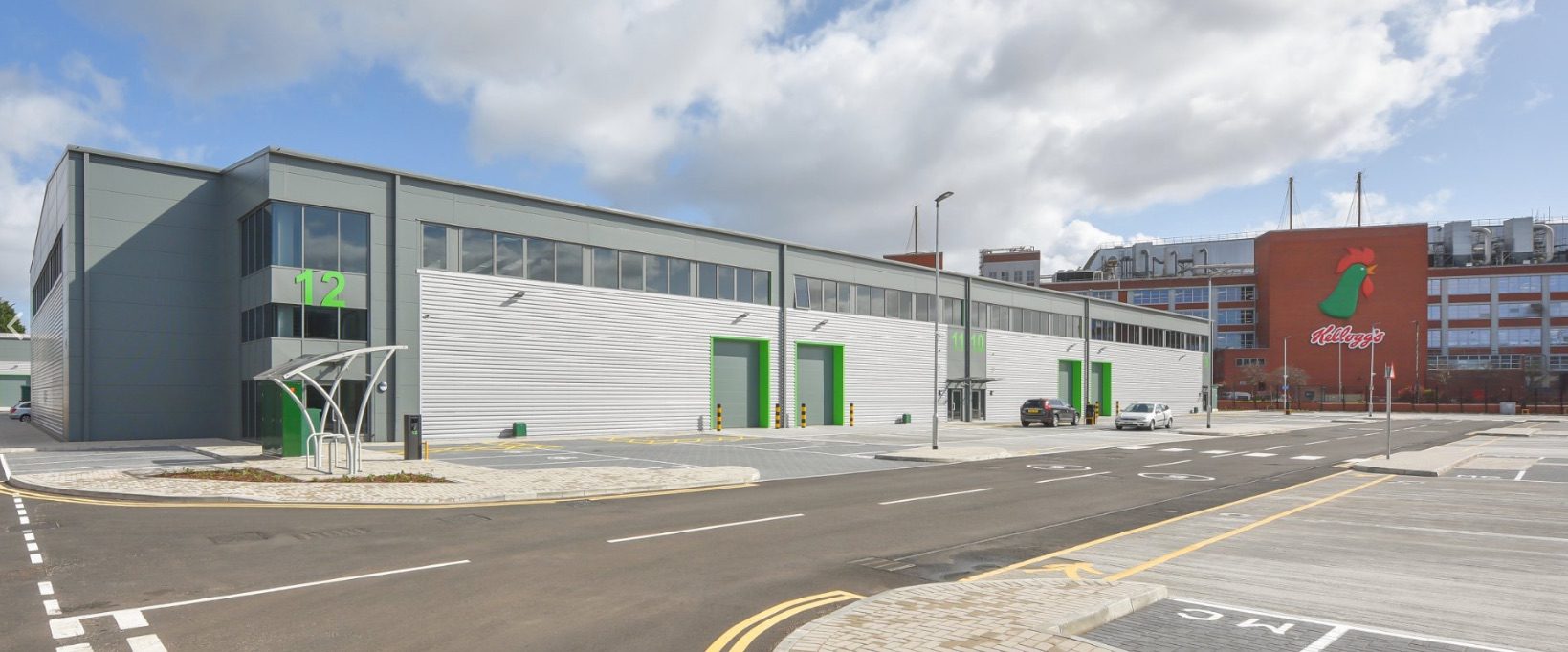
Logistics (North West) Bridgewater Point

Logistics (North West) APTUS Preston
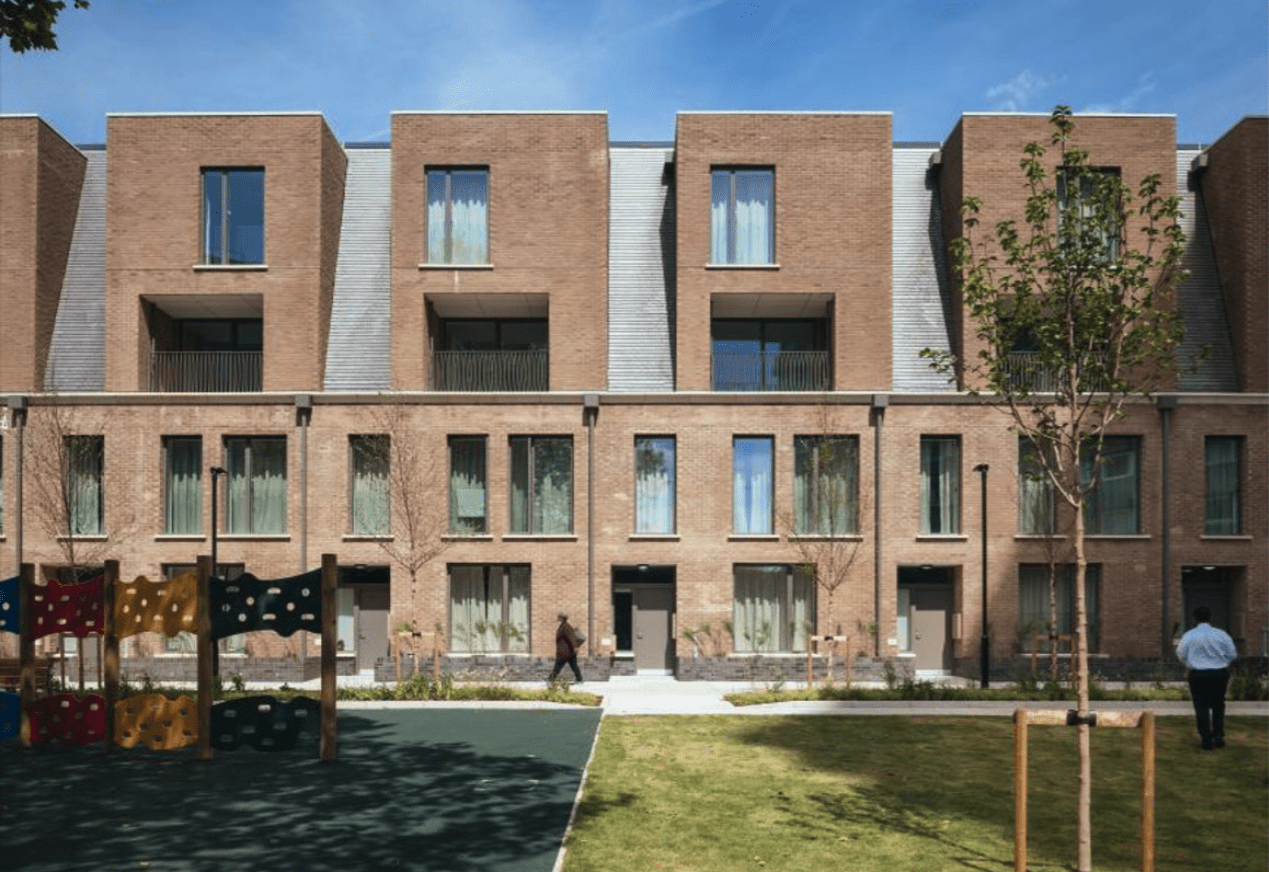
Residential (London) Agar Grove
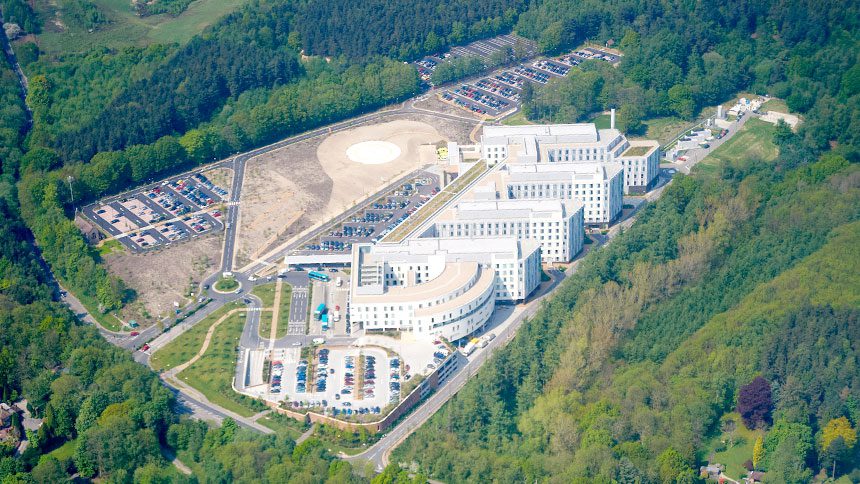
Healthcare (South East) Maidstone & Tunbridge Wells Hospitals

Residential (London) Golf Links Estate

Healthcare (London) Barts Health NHS Trust
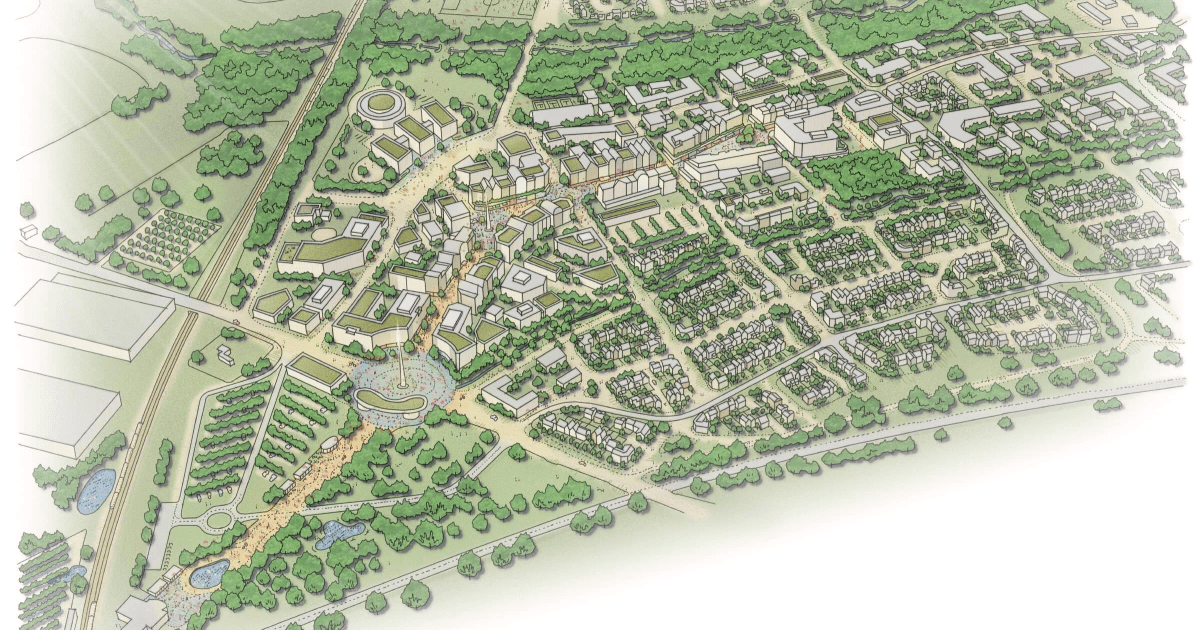
Commercial, Residential (West Midlands) Worcestershire Parkway
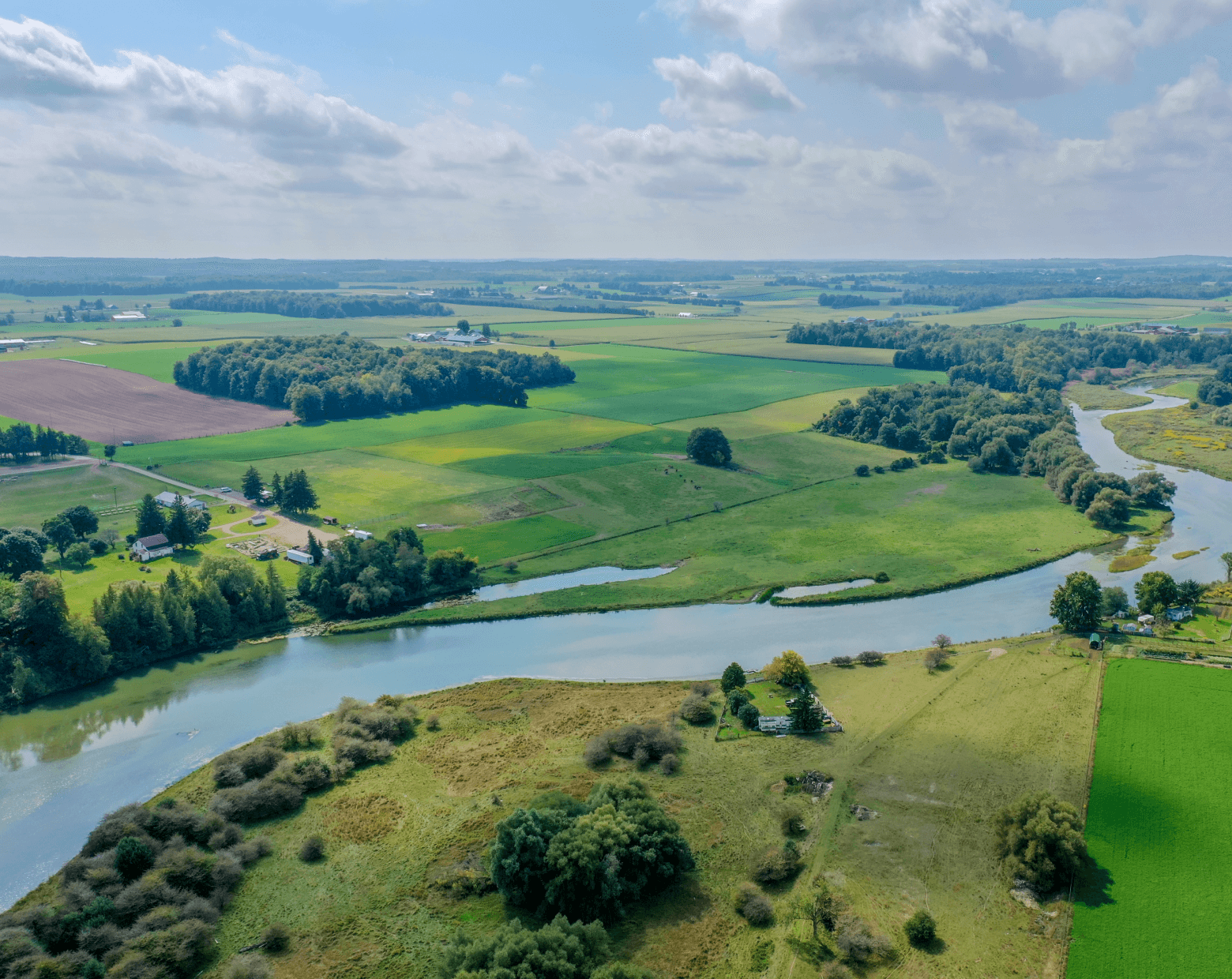
Nationwide Coverage, Local Expertise
With offices strategically located in Birmingham, Manchester, and London, we combine national reach with local insight to deliver effective drainage and flood risk solutions. Whether you’re working on a single site or a major mixed-use scheme, we ensure your project is safe, compliant, and designed to stand up to future challenges.

Sectors We’ve Worked In
With expertise in transport planning, highway design, drainage engineering and flood risk management, our teams deliver tailored solutions across a wide range of industries. Each project is approached individually, ensuring effective and value-driven outcomes that are unique to any given property development.

Residential
We support most residential projects, from small developments through to some of the largest masterplans in the UK, we work with land promoters, developers, national house builders and housing associations to meet transport, infrastructure, and flood risk challenges.

Logistics
We work with many of the most prominent logistics providers, designing transport and access solutions for warehouses, distribution centres, last mile delivery hubs ensuring operational efficiency for businesses in the logistics sector.

Healthcare
We assist healthcare facilities, including hospitals and medical centres, with transport planning and infrastructure requirement, ensuring accessibility for all users, suitable parking assessment and strategies and operational efficiency for NHS trusts, healthcare providers as well as local authorities.

Education
We help schools, colleges, and universities develop safe, sustainable access solutions and infrastructure, supporting educational institutions in meeting the transport needs of students, staff, and visitors as well as assessing sites for potential surface water flooding issues.

Retail
We collaborate with retail developers and operators to address transport and engineering requirements for retail parks, shopping centres, and mixed-use developments, ensuring smooth operations that are focused on their customer ease of use and satisfaction.

Leisure
We support leisure facilities, from gyms to major attractions, in planning transport and infrastructure requirements as well as assessment of peak visitor numbers, helping leisure providers create accessible and relaxing environments.

Commercial
We partner with commercial developers to provide transport and highway infrastructure solutions for new office spaces and mixed-use developments, ensuring accessibility and growth for businesses in the commercial sector.
Frequently Asked Questions
Our drainage strategy and flood risk management experts are here to address any questions you may have about your project.
What is a flood risk assessment and why is it needed?
A Flood Risk Assessment (FRA) identifies the likelihood and potential impact of flooding on a site. It’s a key requirement of the NPPF for developments in medium- or high-risk flood zones, and sometimes even in low-risk areas. At mode transport planning, we prepare robust, policy-compliant FRAs that satisfy the Environment Agency and local planning authorities, helping you move your project forward.
When should I consider drainage and flood risk in my project?
From the very start. Early assessment ensures risks are understood before land deals are finalised or designs progress too far. Identifying issues early saves costly redesigns and provides confidence when negotiating with local authorities or landowners.
What’s included in a sustainable drainage strategy (SuDS)?
A SuDS strategy sets out how surface water will be managed on-site in a safe, sustainable, and policy-compliant way. This may include infiltration systems, attenuation basins, swales, permeable paving, or green roofs. Our engineers design systems that meet technical requirements while also creating environmental and amenity benefits for your site.
How does the NPPF influence flood risk and drainage?
The NPPF requires developments to avoid areas of highest flood risk where possible, manage surface water effectively, and demonstrate resilience to climate change. Our role is to translate these policy requirements into practical, buildable solutions that support safe, sustainable development.
What adoption processes do you design for?
We prepare drainage designs for adoption under S104, S185, and related processes, ensuring that schemes are fully compliant with local water authority requirements. We also design private systems where adoption isn’t required, balancing compliance with cost-effectiveness.

Speak to An Expert
Looking for support with your next project? Get in touch with our experienced consultants for a free, no-obligation conversation.