
Transport Planning FAQs
Our transport planning consultants are here to answer any questions you might have about your project, from early feasibility to post-planning support.
What is transport planning and why does it matter for my development?
Transport planning ensures your development has safe, efficient, and sustainable access. It’s a key factor in securing planning permission under the NPPF, which requires developments to promote sustainable travel, manage traffic impacts, and support well-connected communities. At mode transport planning, we make sure transport is an asset, not a barrier, for your scheme.
When should I involve transport planners in my project?
The earlier, the better. Bringing us in at feasibility stage allows us to identify risks and opportunities upfront, saving you time, money, and potential delays. Early insight also means we can shape your planning application with a transport strategy that’s robust, compliant, and attractive to decision-makers.
What’s included in a Transport Assessment or Transport Statement?
Both provide evidence to support planning applications, but the scale depends on the development. A Transport Assessment is a detailed review of the impact on local highways, sustainable travel, and safety. A Transport Statement is a lighter-touch version for smaller sites. We’ll advise on which is needed and prepare a clear, policy-compliant report that gives your project the best chance of success.
How does the NPPF affect transport planning?
Chapter 9 of the NPPF sets out that developments should promote sustainable transport, mitigate severe traffic impacts, and ensure safe access for all users. In short, if your development can demonstrate these points, it’s much more likely to gain approval. Our role is to translate NPPF requirements into practical solutions tailored to your site.
What counts as “severe” traffic impact under planning policy?
The NPPF states that developments should only be refused on highways grounds if the impact is “severe.” This can be a grey area, but our expertise lies in presenting robust evidence and solutions that show impacts can be managed. This gives planning authorities confidence and reduces the risk of refusal.
Do local councils have different transport requirements?
Yes — every local authority has its own policies, technical standards, and sometimes local transport models. At mode transport planning, we have experience nationwide and know how to engage with each council to meet their specific expectations, while still focusing on your commercial goals.
How do you address sustainability in transport planning?
We integrate sustainable transport options such as walking, cycling, public transport, and electric vehicle charging into our strategies. These not only align with the NPPF and local policies but also enhance the appeal and long-term success of your development.
What’s the difference between a Transport Assessment and Travel Plan?
A Transport Assessment measures impact — a Travel Plan sets out how travel behaviour will be managed in practice, encouraging sustainable journeys. They often go together, and our team prepares both in a way that’s practical, persuasive, and aligned with your site’s objectives.
How can transport planning unlock the value of my site?
Strong transport planning can transform a site’s prospects. By demonstrating safe, efficient access and sustainable travel options, we not only reduce planning risks but also make your site more attractive to buyers, partners, and local authorities. In many cases, it’s the difference between a stalled project and one that moves forward with confidence.
Do I always need to model traffic impacts, and what data is required?
Not always. The level of modelling depends on your site size, location, and local authority requirements. Some applications need detailed junction modelling or strategic model validation; others can be supported with survey data and trip-rate analysis. At mode transport planning, we know what’s expected in each area and will recommend the most cost-effective approach without over-engineering.
What role does transport planning play in 15-minute neighbourhoods and vision-led planning?
The NPPF increasingly encourages developments that support “15-minute neighbourhoods” — places where people can meet most daily needs within a short walk or cycle. Transport planning is central to this, shaping layouts that prioritise active travel, connectivity, and sustainable modes. We take a vision-led approach, helping developers align with future policy and market expectations.
What is a vision-led Transport Assessment?
A vision-led Transport Assessment goes beyond simply counting vehicles. It looks at how transport can support the long-term vision for a place: creating well-connected, sustainable, and attractive communities. Under the revised NPPF, this approach is increasingly encouraged, as it helps developments align with wider goals such as active travel, public transport integration, and 15-minute neighbourhoods.
Why should I consider a vision-led approach for my project?
Because it positions your development positively with both local authorities and stakeholders. A vision-led approach shows you’re not just mitigating impacts but actively contributing to better places. It can strengthen the planning case, unlock design opportunities, and add commercial value by making your site more appealing to future occupiers and investors.
Does a vision-led Transport Assessment still cover traffic impacts?
Absolutely! It still addresses highways capacity and safety, but within a broader framework. The focus shifts from “can the roads accommodate?” to “how can transport shape a successful, more sustainable development?” At mode transport planning, we balance the vision-led policy requirements of the NPPF with robust technical evidence, giving your project the best of both worlds.
How does mode transport planning work with highways authorities to speed up approvals?
Engagement is key. We liaise with highways officers early, ensuring that concerns are addressed before they become obstacles. By presenting robust, transparent evidence and building positive relationships with local authorities, we help streamline the approval process and reduce the risk of costly delays.
What transport risks should I be aware of before buying land?
Access, visibility, highway capacity, and flood risk can all affect a site’s deliverability. Early transport input helps identify these risks upfront, meaning you can negotiate land deals with confidence or avoid expensive pitfalls. Our feasibility notes and appraisals are designed exactly for this purpose.
How do you balance commercial goals with planning compliance?
We understand that development has to stack up financially. That’s why our solutions are always commercially realistic as well as policy compliant. We cut through unnecessary complexity, focusing on what will satisfy planning officers while keeping your project viable and deliverable.
Why choose an independent consultancy like mode transport planning over a larger multi-disciplinary firm?
Because we’re specialists. Our independence means you get focused, responsive expertise without being lost in a large organisation. We’re agile, commercially minded, and driven by our values of integrity, growth, passion, initiative, and fun — delivering the kind of hands-on support that makes transport planning a real advantage for your project.

Comprehensive Services
We offer a full suite of transport planning and highway engineering and water management services, including both transport assessment, highway and associated infrastructure design, drainage engineering and flood risk management. Our team brings clarity, efficiency and technical strength to any given project at every stage from conception to implementation.

Transport Planning
We provide tailored transport planning strategies that address access, connectivity, and movement, supporting sustainable, net zero developments and new communities from “vision led” transport planning through to onsite delivery.
Highways & Infrastructure
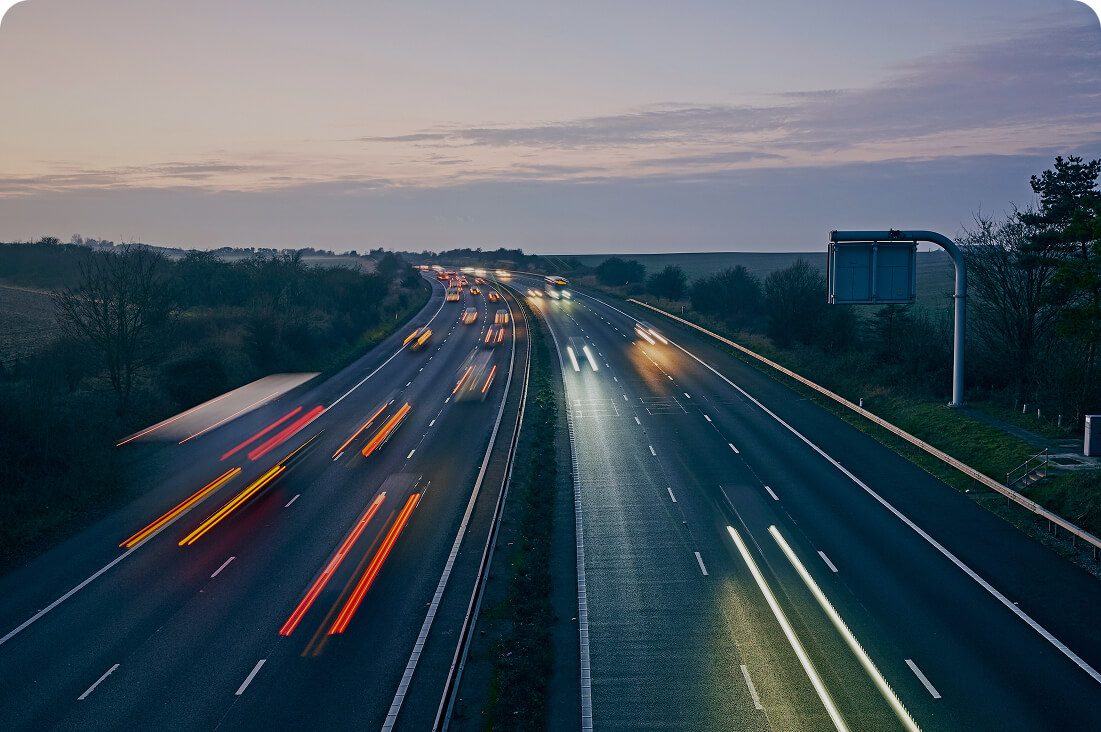
Our teams deliver practical, efficient highway infrastructure solutions that deliver well engineered and safe road design solutions, whilst providing a clear legible gateway for all users to our client’s new development sites.

Drainage Engineering & Flood Risk Management
We develop compliant, sustainable drainage and flood risk strategies, designed to ensure that surface water is managed sustainably and efficiently and that our solutions integrate seamlessly with our client’s development plans, site requirements and Environmental Agency guidance.


Speak to An Expert
Looking for support with your next project? Get in touch with our experienced consultants for a free, no-obligation conversation.